Strategy, design and campaigns. From one team.
why FRÆM ?
Marketing that works together seamlessly.
Most brands work with a strategist, a design studio, and someone running ads, and hope the pieces line up. They rarely do. FRAEM is the whole thing under one roof. We help you figure out what the brand stands for, we design how it looks and sounds, and we make the content, the site, and the campaigns that put it in front of people. Same team, start to finish.

Trusted by








Our Focus
The FRÆMWORK™
Four phases. One direction.


Different brand. Different industry. Same job:
making complex things land.
Different brand. Different industry. Same job:
making complex things land.
Different brand. Different industry. Same job:
making complex things land.
Our Work
Here’s what we’ve been up to
Here’s what we’ve been up to
Here’s what we’ve been up to
From local legends to global brands
From local legends to global brands
From local legends to global brands




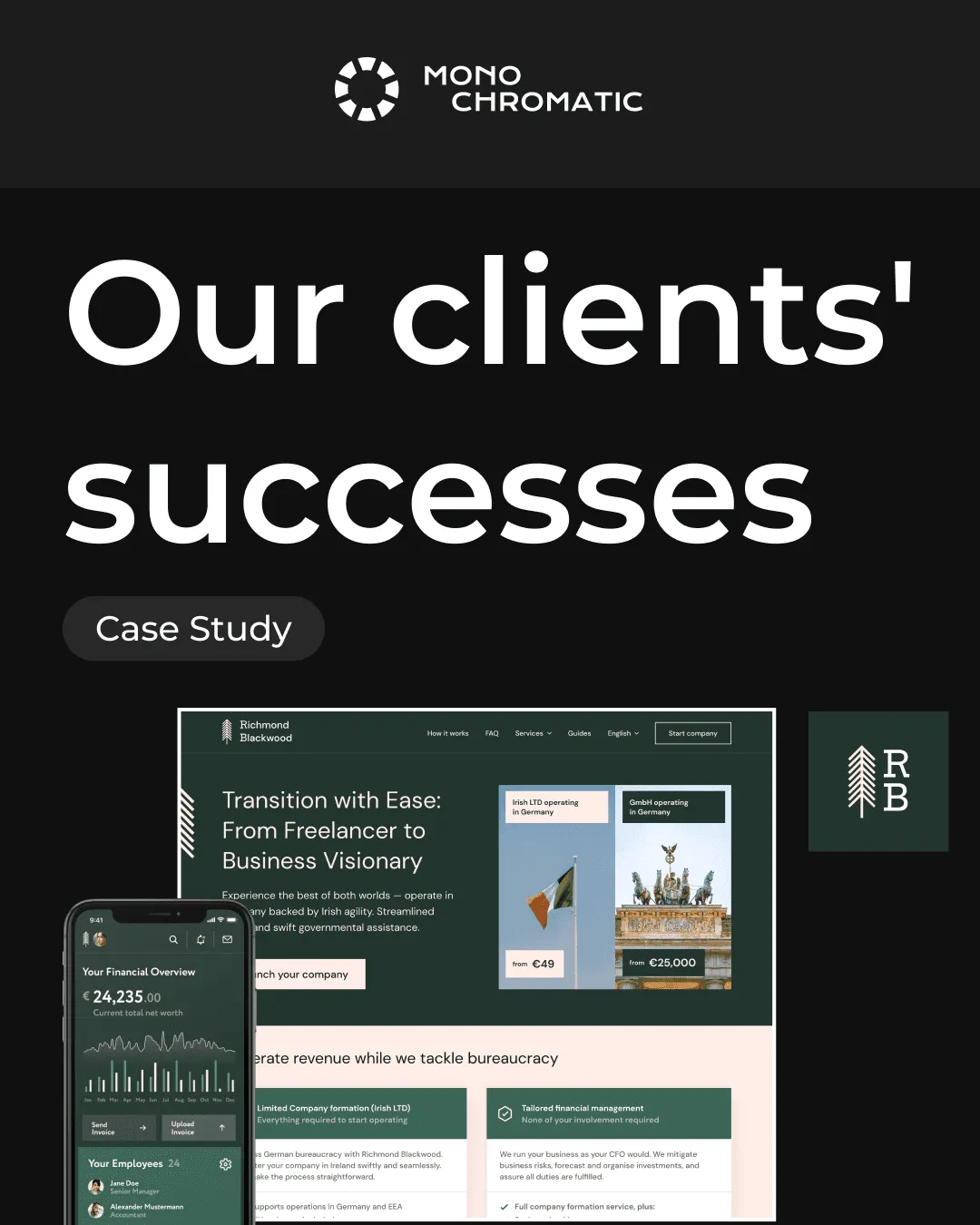

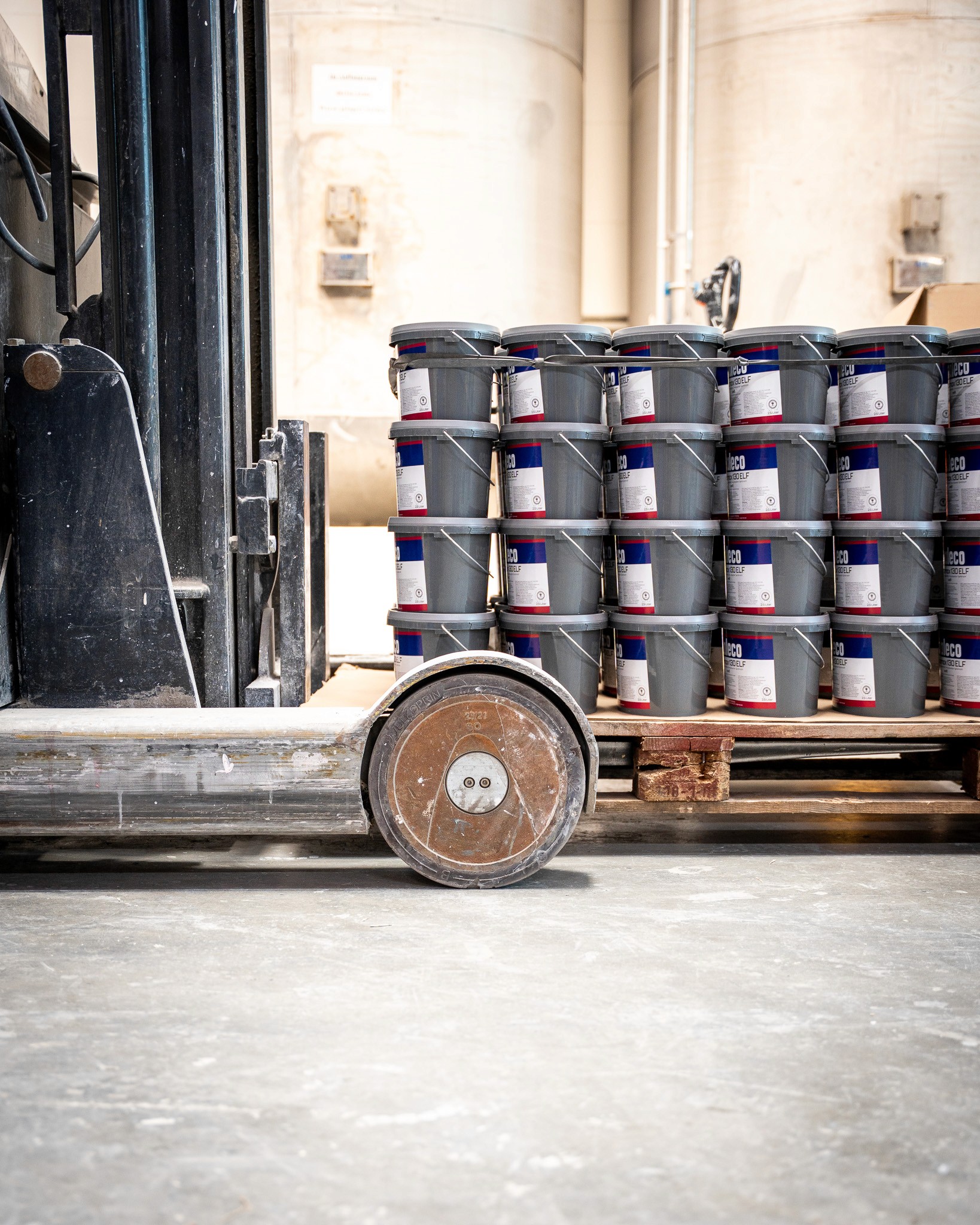
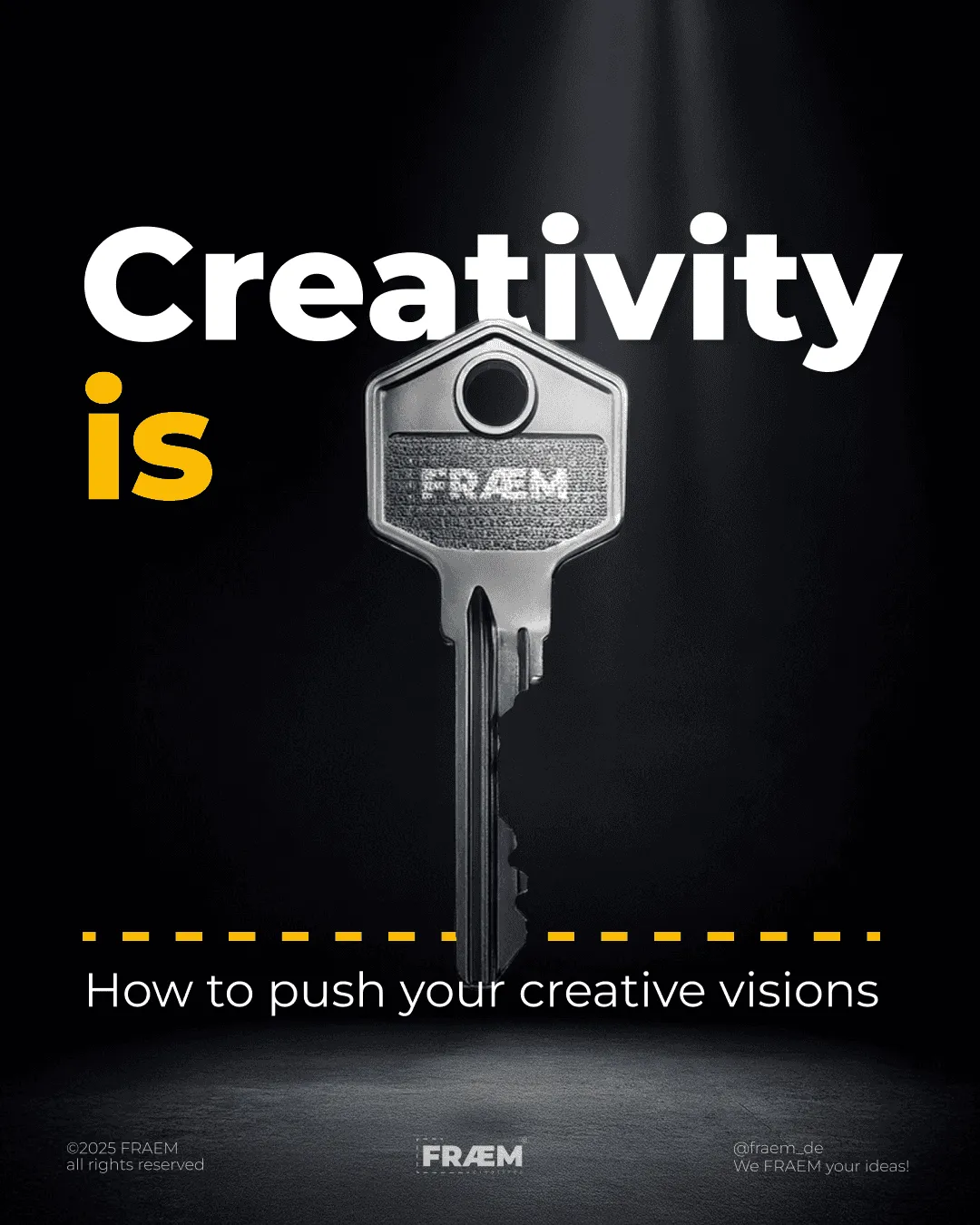

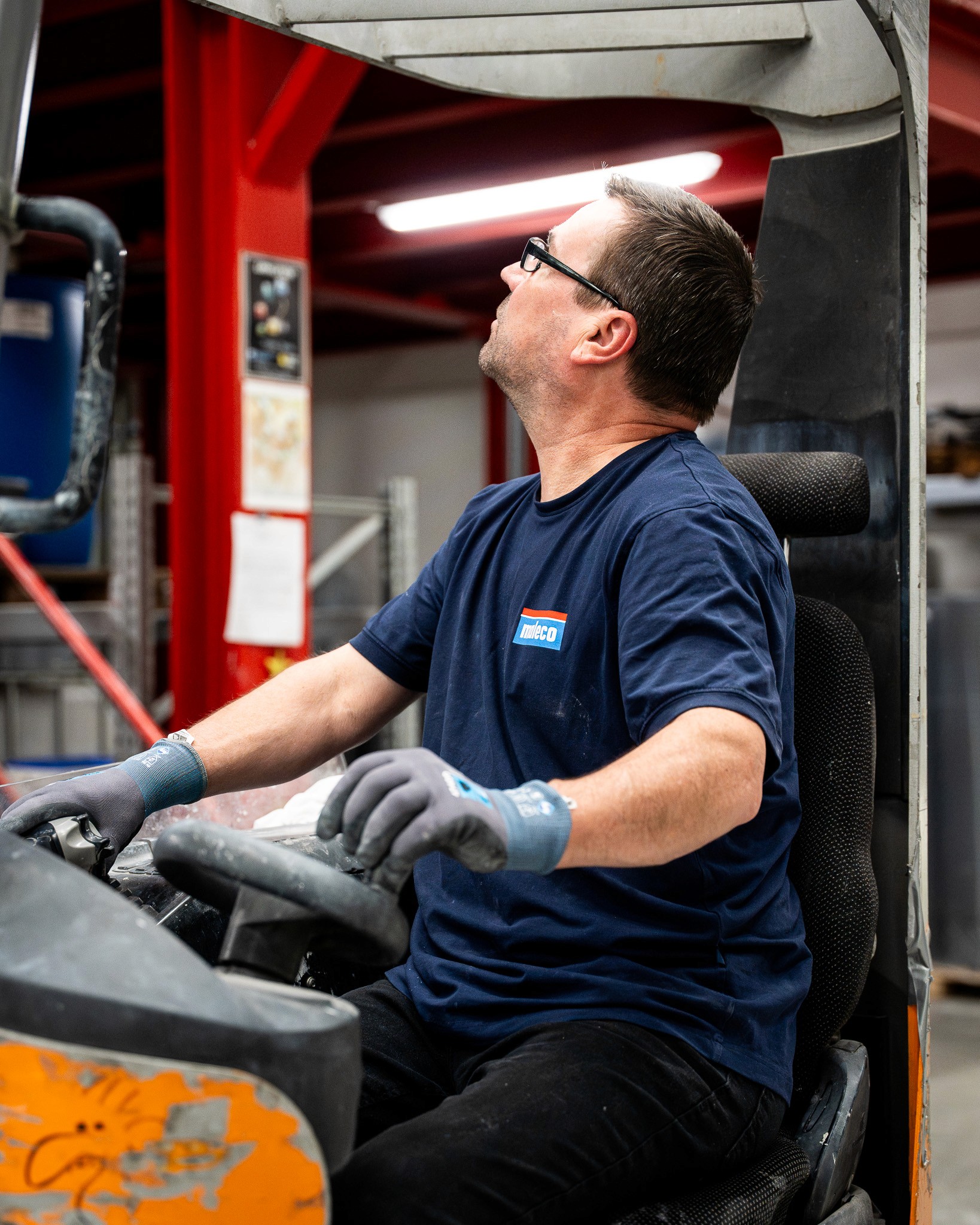
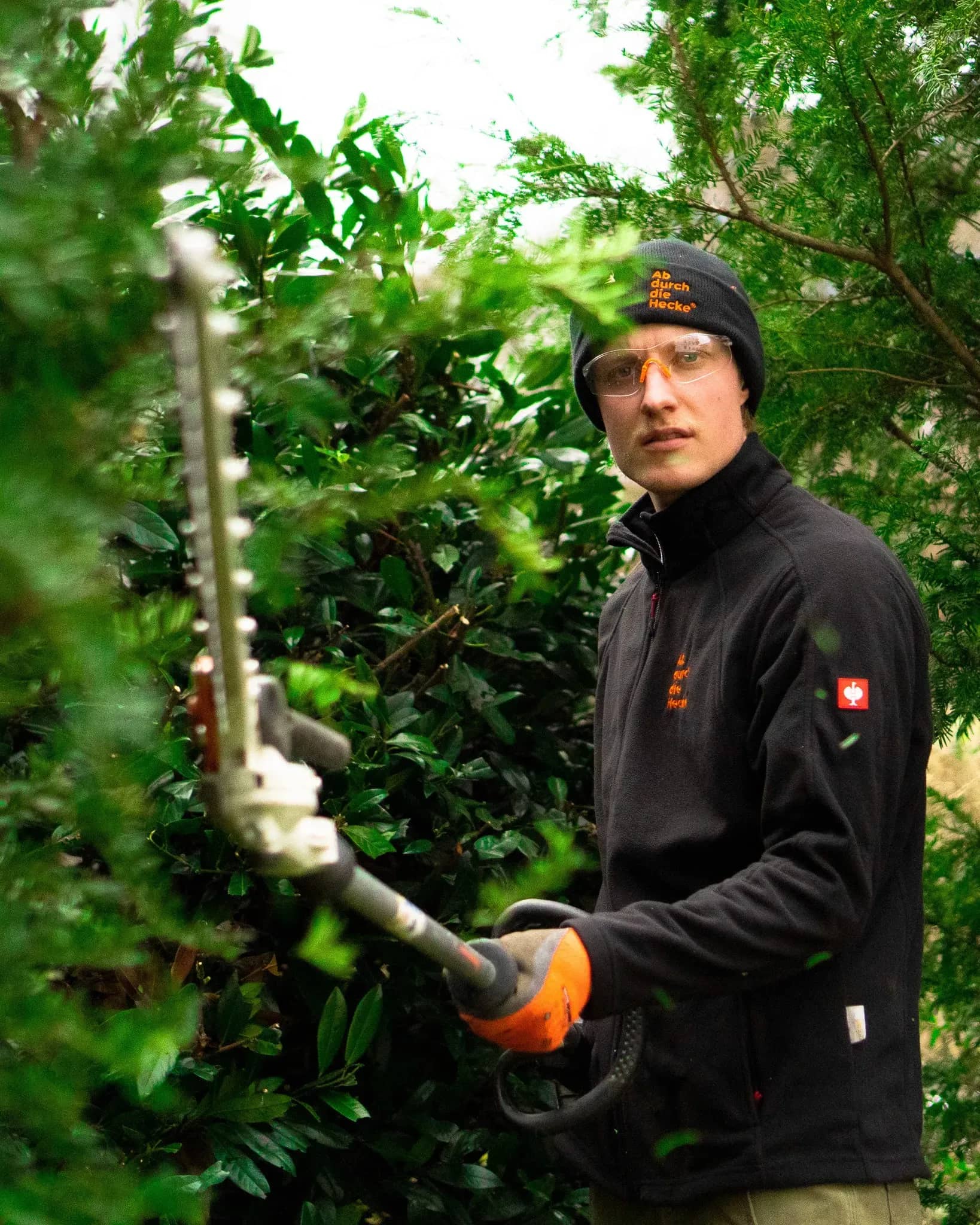

The perfect fit!
The perfect fit!
One-size-fits-all? Not our thing. We learn your brand inside out so we can create strategies that matches your tone, fits your vision, and actually lands with your audience. Whether it is sharp and professional or relaxed and approachable, we make sure it feels like you every step of the way.
One-size-fits-all? Not our thing. We learn your brand inside out so we can create strategies that matches your tone, fits your vision, and actually lands with your audience. Whether it is sharp and professional or relaxed and approachable, we make sure it feels like you every step of the way.

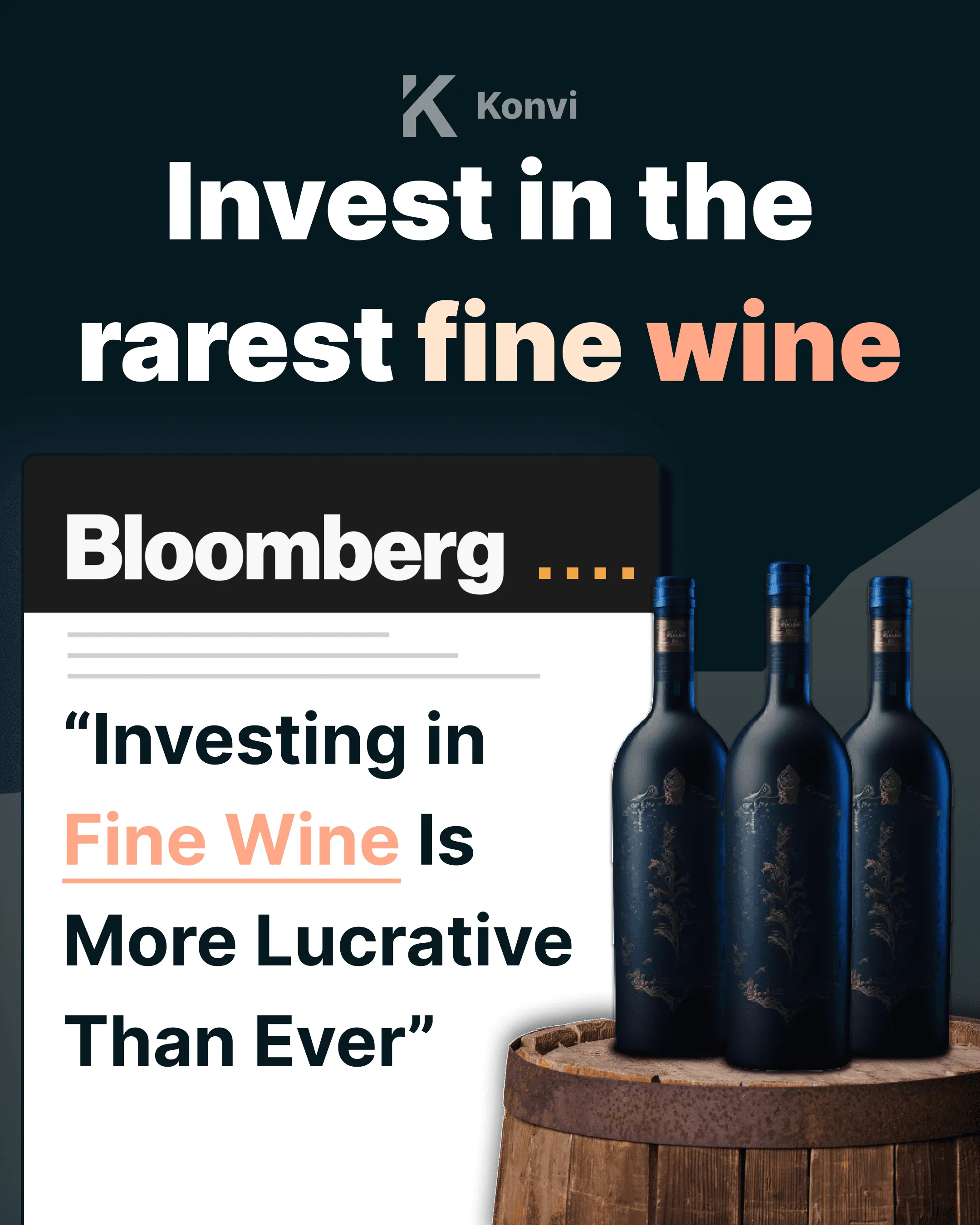
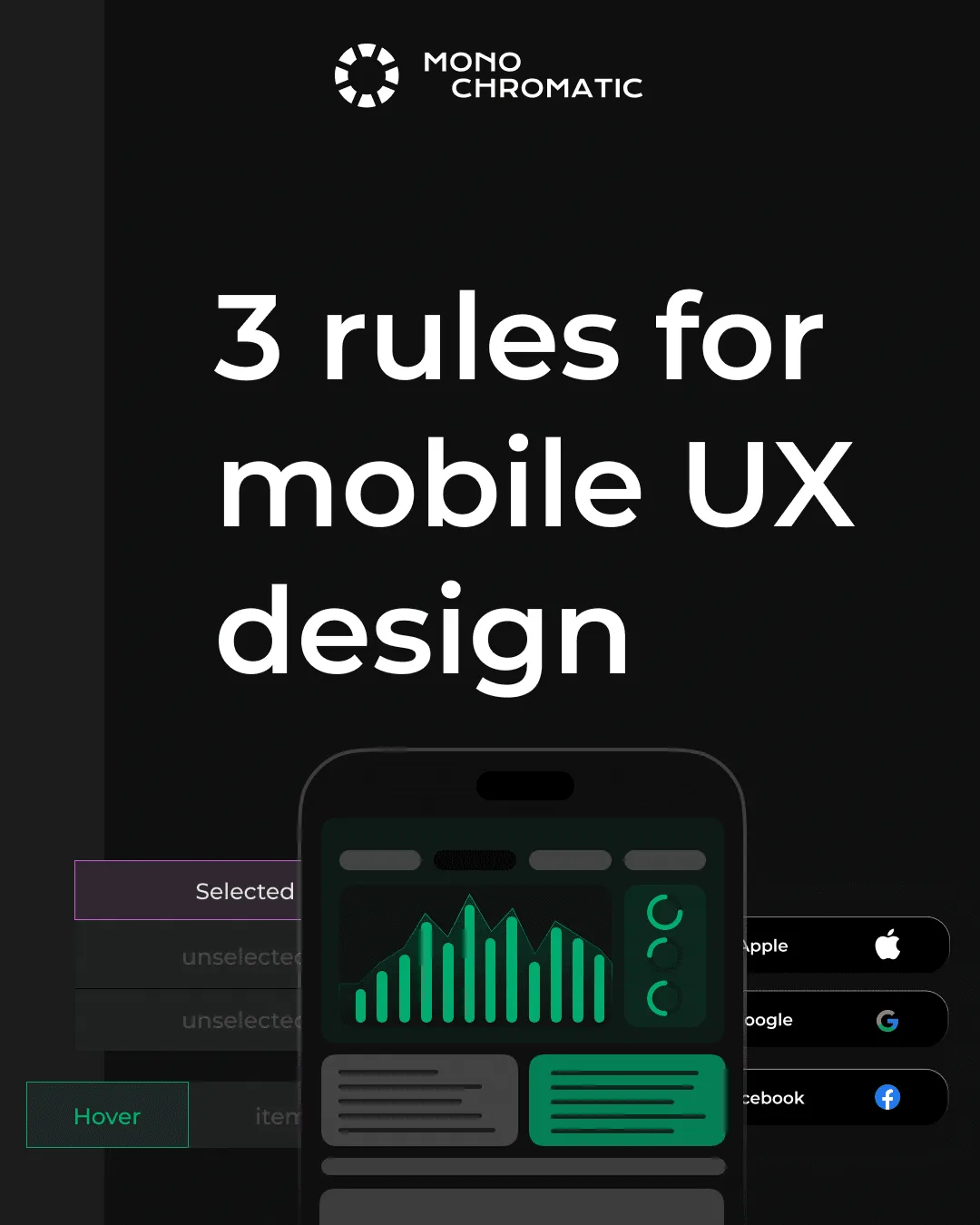
What our partners say
What our partners say






Our Team
At FRAEM®, it’s not just about hitting goals. It’s about how we get there, staying true to who we are along the way.
At FRAEM®, it’s not just about hitting goals. It’s about how we get there, staying true to who we are along the way.



Frequently Asked Questions!
We already work with an agency. Can FRAEM come in alongside them?
Yes, and it's a normal starting point. We take on individual phases or services and work to your standards rather than against them: your existing corporate design, your approval process, your tone of voice.
In practice: scope is defined in writing up front, so it's clear who owns which piece of work and where the handover sits. You get one named contact on our side, and coordination with your existing agency runs through you, not around you.
Typical setups: a lead agency owns the brand and we produce content and film alongside it. An in-house team runs day-to-day and we take on strategy or campaign concept. Or an existing agency covers one channel and we cover the rest.
Replacing anyone isn't a precondition. If you want to consolidate later, we can take that on. But that should be your decision, not our condition.
Framer is a web builder for creative pros. Be sure to check out framer.com to learn more.
Yes, and it's a normal starting point. We take on individual phases or services and work to your standards rather than against them: your existing corporate design, your approval process, your tone of voice.
In practice: scope is defined in writing up front, so it's clear who owns which piece of work and where the handover sits. You get one named contact on our side, and coordination with your existing agency runs through you, not around you.
Typical setups: a lead agency owns the brand and we produce content and film alongside it. An in-house team runs day-to-day and we take on strategy or campaign concept. Or an existing agency covers one channel and we cover the rest.
Replacing anyone isn't a precondition. If you want to consolidate later, we can take that on. But that should be your decision, not our condition.
We have an in-house marketing team. Why would we need an agency as well?
Usually for three things: peak load, specialist depth, and distance.
Peak load. A product launch, a trade fair or a recruiting campaign needs several times your normal output for a few weeks. You don't create a permanent role for that. We carry the peak without adding to your fixed costs.
Specialist depth. A four-person marketing department can't hold senior-level film, performance, UX and strategy at the same time. We bring the discipline that's needed too rarely to justify a hire.
Distance. Your team sits inside the company and speaks its language. That's exactly why it rarely registers internally when the market hears something other than what's being said. We come from outside, and we see how the same problem is solved in other markets.
And one thing that's rarely said out loud: some sentences are easier to say from outside than from within the department. "Our positioning isn't clear" costs an external partner nothing and costs an internal team political capital.
What we don't replace: your team knows the product, the colleagues and the history better than we ever will. So your team usually steers, and we deliver within a clearly defined scope.
Framer is a web builder for creative pros. Be sure to check out framer.com to learn more.
Usually for three things: peak load, specialist depth, and distance.
Peak load. A product launch, a trade fair or a recruiting campaign needs several times your normal output for a few weeks. You don't create a permanent role for that. We carry the peak without adding to your fixed costs.
Specialist depth. A four-person marketing department can't hold senior-level film, performance, UX and strategy at the same time. We bring the discipline that's needed too rarely to justify a hire.
Distance. Your team sits inside the company and speaks its language. That's exactly why it rarely registers internally when the market hears something other than what's being said. We come from outside, and we see how the same problem is solved in other markets.
And one thing that's rarely said out loud: some sentences are easier to say from outside than from within the department. "Our positioning isn't clear" costs an external partner nothing and costs an internal team political capital.
What we don't replace: your team knows the product, the colleagues and the history better than we ever will. So your team usually steers, and we deliver within a clearly defined scope.
Do we have to commission all four phases, or where's the right entry point for us?
Most collaborations begin with a specific phase or service rather than all four. The starting point depends on the specific issue at hand. Here are a few examples:
Multiple departments describe your offering in different ways. Or, a rebranding project or new website is on the horizon, yet there is no agreed-upon brief. → Explore
A strategy exists, but every piece of advertising looks different, and service providers constantly ask what is permissible. → Shape
The direction is clear, but output is lacking. Or, the website and content fail to convey the message. → Create
Things are up and running, but no one can say what value is being generated. → Evolve
Especially in larger organizations, the initial engagement is often not "Explore" (Phase 1), but rather a specific project from the "Create" or "Evolve" stages—such as a campaign, a production, or ongoing support. This is perfectly acceptable. The sequence of phases reflects the logic of the work, not a mandatory purchasing order.
We do, however, make one caveat: if your positioning remains undefined, the "Create" phase will generate expensive output based on shaky foundations. In such cases, we recommend starting with "Explore," even if a straightforward production assignment might seem like the quicker route for both parties.
Framer is a web builder for creative pros. Be sure to check out framer.com to learn more.
Most collaborations begin with a specific phase or service rather than all four. The starting point depends on the specific issue at hand. Here are a few examples:
Multiple departments describe your offering in different ways. Or, a rebranding project or new website is on the horizon, yet there is no agreed-upon brief. → Explore
A strategy exists, but every piece of advertising looks different, and service providers constantly ask what is permissible. → Shape
The direction is clear, but output is lacking. Or, the website and content fail to convey the message. → Create
Things are up and running, but no one can say what value is being generated. → Evolve
Especially in larger organizations, the initial engagement is often not "Explore" (Phase 1), but rather a specific project from the "Create" or "Evolve" stages—such as a campaign, a production, or ongoing support. This is perfectly acceptable. The sequence of phases reflects the logic of the work, not a mandatory purchasing order.
We do, however, make one caveat: if your positioning remains undefined, the "Create" phase will generate expensive output based on shaky foundations. In such cases, we recommend starting with "Explore," even if a straightforward production assignment might seem like the quicker route for both parties.
How long does a phase take, and what do we need to contribute?
Less than most people expect. However, the time commitment is concentrated rather than spread out.
Explore requires significant attention but little actual labor: a kickoff meeting, one or more discussions or workshops with management, sales, and marketing; access to existing data (such as sales figures, CRM reports, or past market research); and a final decision meeting.
Shape requires materials and decisions: existing logos, font licenses, and current guidelines, plus a feedback round and a designated person with final authority on the brand.
Create requires expert input: product knowledge, access to a site or factory for filming, on-camera talent, and approvals from legal or compliance departments.
Evolve requires reliability: a standing meeting at an agreed-upon interval and a contact person capable of providing approvals within three business days.
One point upfront: We cannot make the final decision for you. We present options, explain the rationale behind them, and offer a recommendation. The person who gives the final go-ahead must come from within your organization.
Framer is a web builder for creative pros. Be sure to check out framer.com to learn more.
Less than most people expect. However, the time commitment is concentrated rather than spread out.
Explore requires significant attention but little actual labor: a kickoff meeting, one or more discussions or workshops with management, sales, and marketing; access to existing data (such as sales figures, CRM reports, or past market research); and a final decision meeting.
Shape requires materials and decisions: existing logos, font licenses, and current guidelines, plus a feedback round and a designated person with final authority on the brand.
Create requires expert input: product knowledge, access to a site or factory for filming, on-camera talent, and approvals from legal or compliance departments.
Evolve requires reliability: a standing meeting at an agreed-upon interval and a contact person capable of providing approvals within three business days.
One point upfront: We cannot make the final decision for you. We present options, explain the rationale behind them, and offer a recommendation. The person who gives the final go-ahead must come from within your organization.
Does FRAEM know our sector?
An honest answer: We might well be, but probably not quite yet. Even if the industry is the same, the customer segment or the product itself might differ.
We have worked extensively in sectors ranging from garden machinery, construction materials, and commercial vehicles to residential housing, the hospitality industry, and many others. The common thread isn't the industry, but the task: grasping a complex subject and communicating it in a way that truly resonates with the market.
That is why Explore begins not with ideas, but with analysis: a brand audit, target audience and market analysis, and a competitive comparison. The result is a document you can review before any production begins. You don’t have to take our word for it that we understand your market; you can see the evidence for yourself.
What we don’t bring to the table is your specialized expertise. That comes from within your company, and during the first few weeks, we ask more questions than some might find comfortable. The division of labor is simple: you know the product, and we ensure it connects with the audience.
We do set one boundary upfront: if communication in a specific sector is essentially a legal task, where every single statement requires formal approval, then we aren't the right partner. We make that clear during the initial consultation, not three months down the line.
Framer is a web builder for creative pros. Be sure to check out framer.com to learn more.
An honest answer: We might well be, but probably not quite yet. Even if the industry is the same, the customer segment or the product itself might differ.
We have worked extensively in sectors ranging from garden machinery, construction materials, and commercial vehicles to residential housing, the hospitality industry, and many others. The common thread isn't the industry, but the task: grasping a complex subject and communicating it in a way that truly resonates with the market.
That is why Explore begins not with ideas, but with analysis: a brand audit, target audience and market analysis, and a competitive comparison. The result is a document you can review before any production begins. You don’t have to take our word for it that we understand your market; you can see the evidence for yourself.
What we don’t bring to the table is your specialized expertise. That comes from within your company, and during the first few weeks, we ask more questions than some might find comfortable. The division of labor is simple: you know the product, and we ensure it connects with the audience.
We do set one boundary upfront: if communication in a specific sector is essentially a legal task, where every single statement requires formal approval, then we aren't the right partner. We make that clear during the initial consultation, not three months down the line.
How do you report, and what do we measure you on after six months?
After every phase, we provide a handover package, not just a final deliverable. The goal is for the work to continue running smoothly without us.
After "Explore": Positioning, market and target audience analysis, and a competitive overview, materials your team and external service providers can work with.
After "Shape": A document containing templates and guidelines, structured so that a third party can apply them without needing to consult us.
After "Create": The finished assets in the required formats.
In "Evolve": Reporting history and setup documentation, detailing which accounts, tracking methods, and automations are in place. Plus, a recurring meeting schedule that we determine together.
Two points we address right from the start: Ad accounts, analytics access, and domains are registered in your name, not ours. And the documentation is written so that a successor can understand it, rather than making us indispensable.
Our reason for this is self-serving: when a collaboration ends, it should be by choice, not because someone is locked in with no way out.
Framer is a web builder for creative pros. Be sure to check out framer.com to learn more.
After every phase, we provide a handover package, not just a final deliverable. The goal is for the work to continue running smoothly without us.
After "Explore": Positioning, market and target audience analysis, and a competitive overview, materials your team and external service providers can work with.
After "Shape": A document containing templates and guidelines, structured so that a third party can apply them without needing to consult us.
After "Create": The finished assets in the required formats.
In "Evolve": Reporting history and setup documentation, detailing which accounts, tracking methods, and automations are in place. Plus, a recurring meeting schedule that we determine together.
Two points we address right from the start: Ad accounts, analytics access, and domains are registered in your name, not ours. And the documentation is written so that a successor can understand it, rather than making us indispensable.
Our reason for this is self-serving: when a collaboration ends, it should be by choice, not because someone is locked in with no way out.
Want to learn more about us? Check out our entire FAQ!
Want to learn more about us? Check out our entire FAQ!
Our Blog
Interested in Content Marketing?
Check out our most recent articles!
Interested in Content Marketing?
Check out our most recent articles!

How Handwerk Businesses Actually Find Azubis: 5 Steps
Finding Azubis and skilled workers in Handwerk: why job ads alone don't work and which five steps actually bring applications.
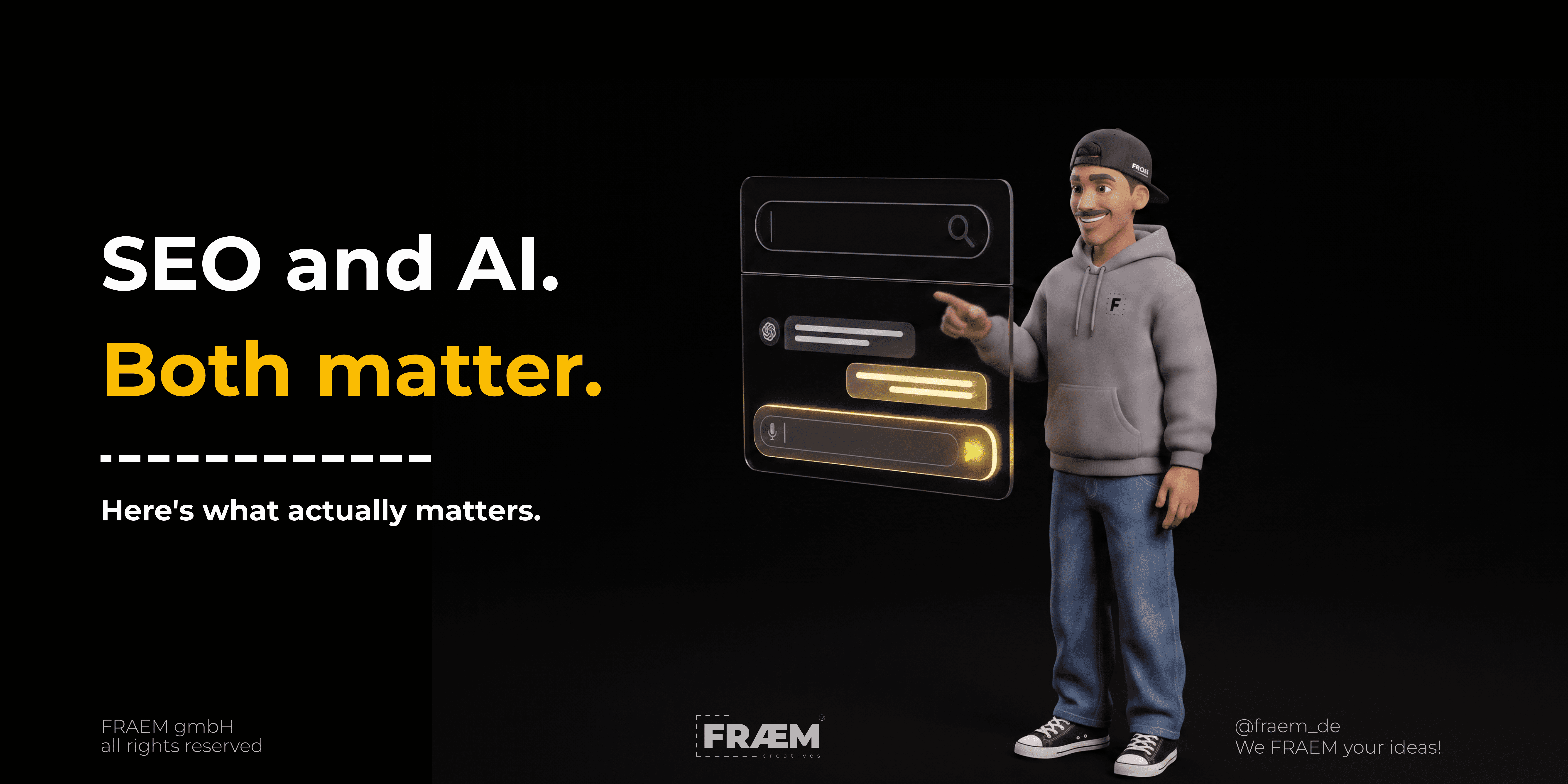
AI Search Is Here. SEO Isn't Dead. Here's What Matters.
43% of Germans use ChatGPT. Search is quietly changing under everyone's feet. Here's what's real, what's hype, and what your business should actually do about it.

Why Your Handwerk Website Isn't Doing Its Job
94% of German Handwerk businesses have a website. Only 3 of 500 audited sites came close to actually doing their job. Here's what "it works for us" is really costing you.

Framer vs. WordPress vs. TYPO3
Framer or WordPress for your Handwerk business? An honest comparison on cost, maintenance, and SEO. Plus when Webflow or TYPO3 actually makes sense.
How Handwerk Businesses Actually Find Azubis: 5 Steps
Finding Azubis and skilled workers in Handwerk: why job ads alone don't work and which five steps actually bring applications.
AI Search Is Here. SEO Isn't Dead. Here's What Matters.
43% of Germans use ChatGPT. Search is quietly changing under everyone's feet. Here's what's real, what's hype, and what your business should actually do about it.
Why Your Handwerk Website Isn't Doing Its Job
94% of German Handwerk businesses have a website. Only 3 of 500 audited sites came close to actually doing their job. Here's what "it works for us" is really costing you.
How Handwerk Businesses Actually Find Azubis: 5 Steps
Finding Azubis and skilled workers in Handwerk: why job ads alone don't work and which five steps actually bring applications.
AI Search Is Here. SEO Isn't Dead. Here's What Matters.
43% of Germans use ChatGPT. Search is quietly changing under everyone's feet. Here's what's real, what's hype, and what your business should actually do about it.
Why Your Handwerk Website Isn't Doing Its Job
94% of German Handwerk businesses have a website. Only 3 of 500 audited sites came close to actually doing their job. Here's what "it works for us" is really costing you.
Framer vs. WordPress vs. TYPO3
Framer or WordPress for your Handwerk business? An honest comparison on cost, maintenance, and SEO. Plus when Webflow or TYPO3 actually makes sense.
Tell us where it's stuck. We'll tell you where we'd start.
Tell us where it's stuck. We'll tell you where we'd start.
Tell us where it's stuck. We'll tell you where we'd start.


Nikkan & Soli Managing Directors
Nikkan & Soli Managing Directors
Nikkan & Soli Managing Directors